
 Contact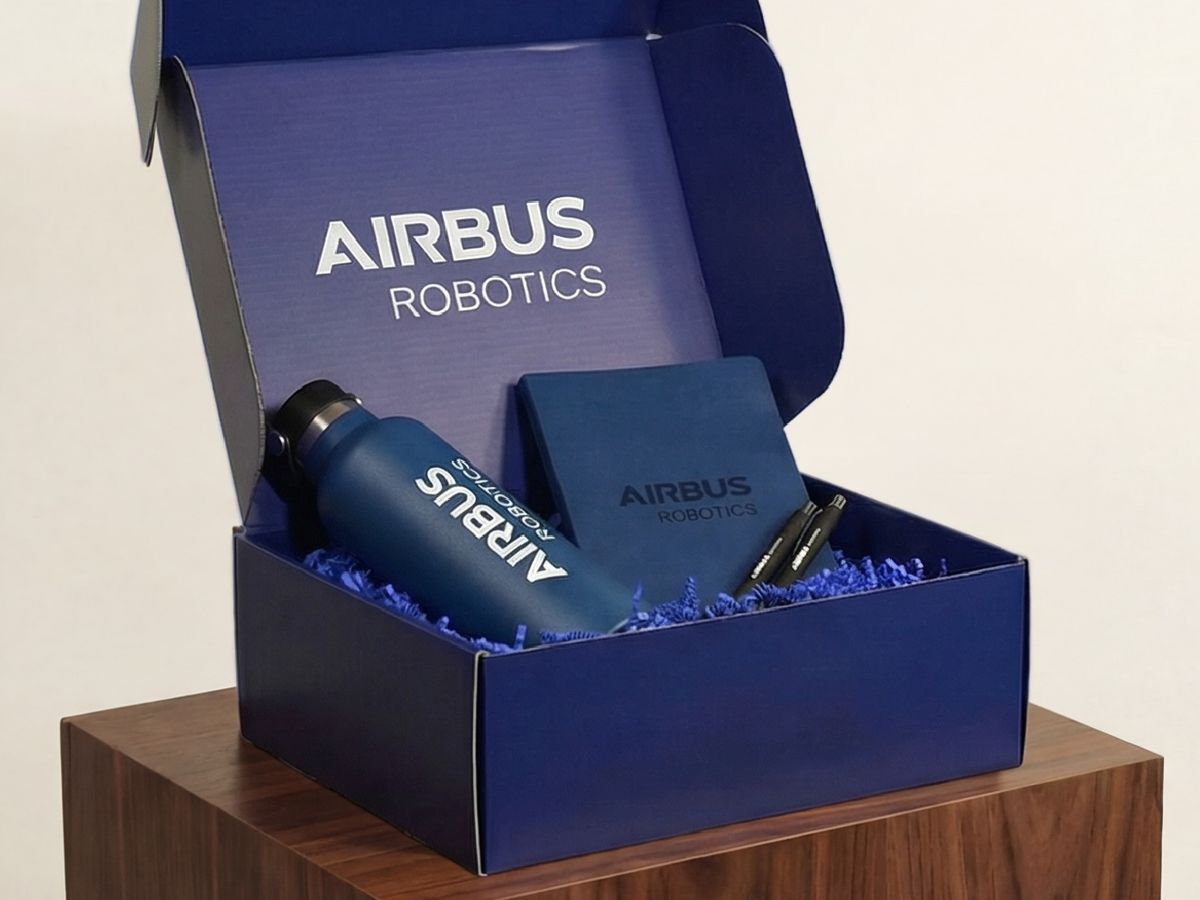
Build a recognition gift program your team will remember
Browse pre-built recognition packs from premium brands like YETI, Patagonia, and Vuori, or design your own kit in the Pack Builder.
Employee recognition gifts are physical or experiential rewards given to team members for performance, milestones, peer-to-peer wins, or contributions outside the regular comp cycle. The most effective ones land in the $50 to $200 range, ship within 48 hours of the moment, and feature items employees reach for outside the office. The wall-mounted Employee of the Month plaque, the rubber-stamped certificate, and the generic gift card don't move retention or engagement anymore. A recognition gift program built right does, and the upside compounds.
Companies running structured recognition programs report measurably lower voluntary turnover and higher engagement scores. Gallup's research has consistently found that employees who feel recognized are far more likely to stay, and SHRM survey data puts recognition near the top of HR priorities for 2026. The math behind a real program is small relative to the alternative: replacing one mid-level employee can run six figures, while a year of structured recognition gifts for a 100-person team often comes in under $30,000.
The gap between knowing and doing is execution. Most HR and People Ops teams know they should be recognizing employees more often, in better ways, with better gifts. They just don't have a system. The kit lives in someone's head. Gift selection happens last-minute. Recognition lands flat because the gift doesn't match the moment, or it shows up three weeks after the win it was meant to celebrate.
Here's the practical guide we wish more HR teams had before they built or rebuilt a recognition program. What to send, when to send it, what to budget, and how to set up a system that doesn't put a procurement task on someone's plate every time a manager wants to thank a teammate.
Why thoughtful recognition gifts beat generic ones every time
The difference between a recognition gift that lands and one that doesn't is rarely about the price tag. Employees can tell when a gift was selected with them in mind versus pulled from a closet of rubber-stamped tumblers. The signal a gift sends is louder than the gift itself.
Specificity matters more than spend. A handwritten card from the manager naming the exact behavior being recognized, paired with a $75 gift, beats a $200 generic gift every time. Recognition is a vehicle for the message, and the message has to be concrete. Harvard Business Review frames it as the difference between recognition and appreciation: recognition is for what an employee did, appreciation is for who they are. The best programs do both, and the gift is just the artifact.
Speed matters more than scale. A gift that arrives the week of the win carries ten times the weight of one that arrives a month later. The recognition window closes fast. By the time the gift shows up three weeks after the project ship, the employee has moved on, and so has the team. Programs that pre-stage kits and ship within 48 hours of trigger consistently outperform programs that batch quarterly.
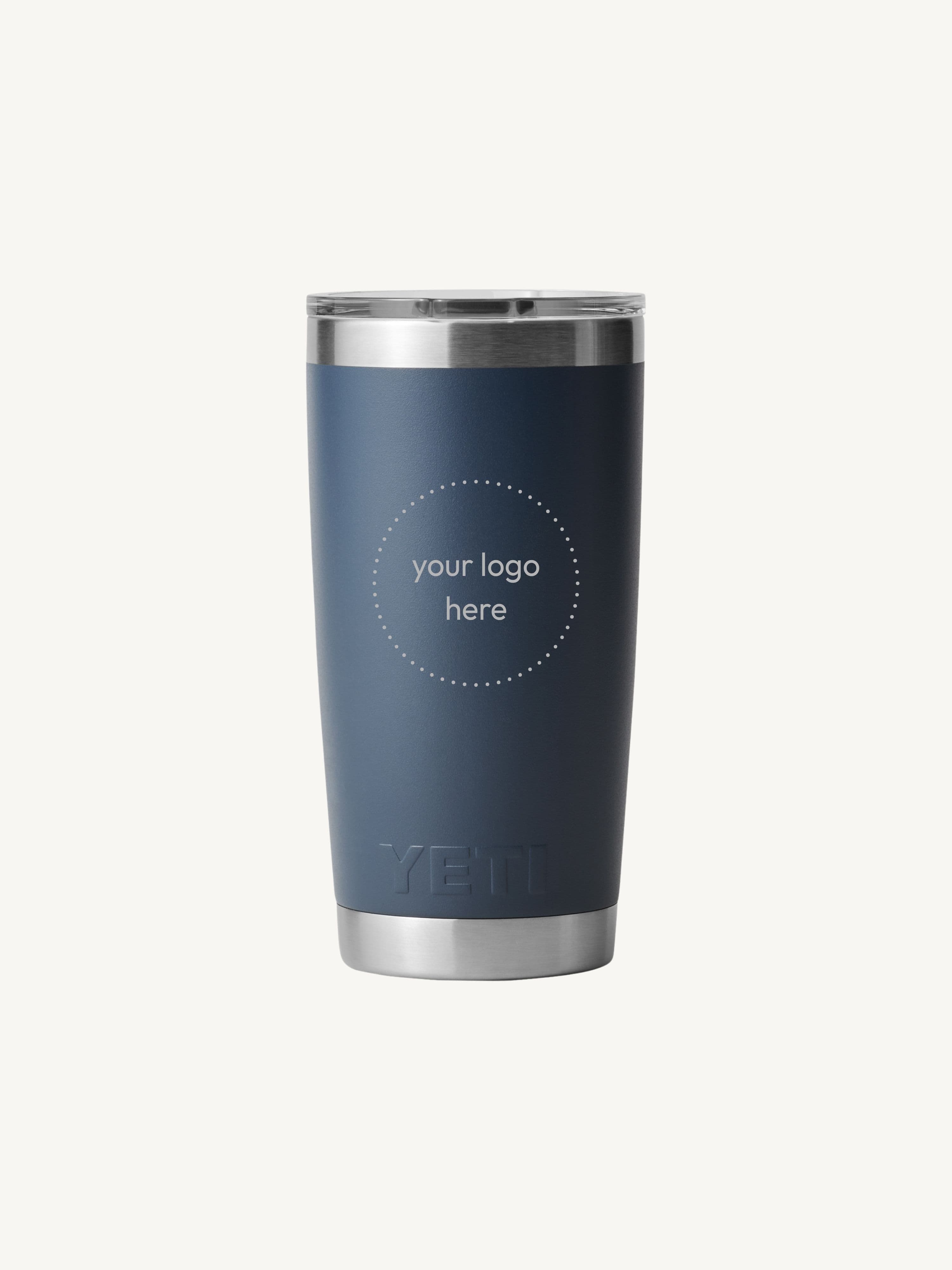
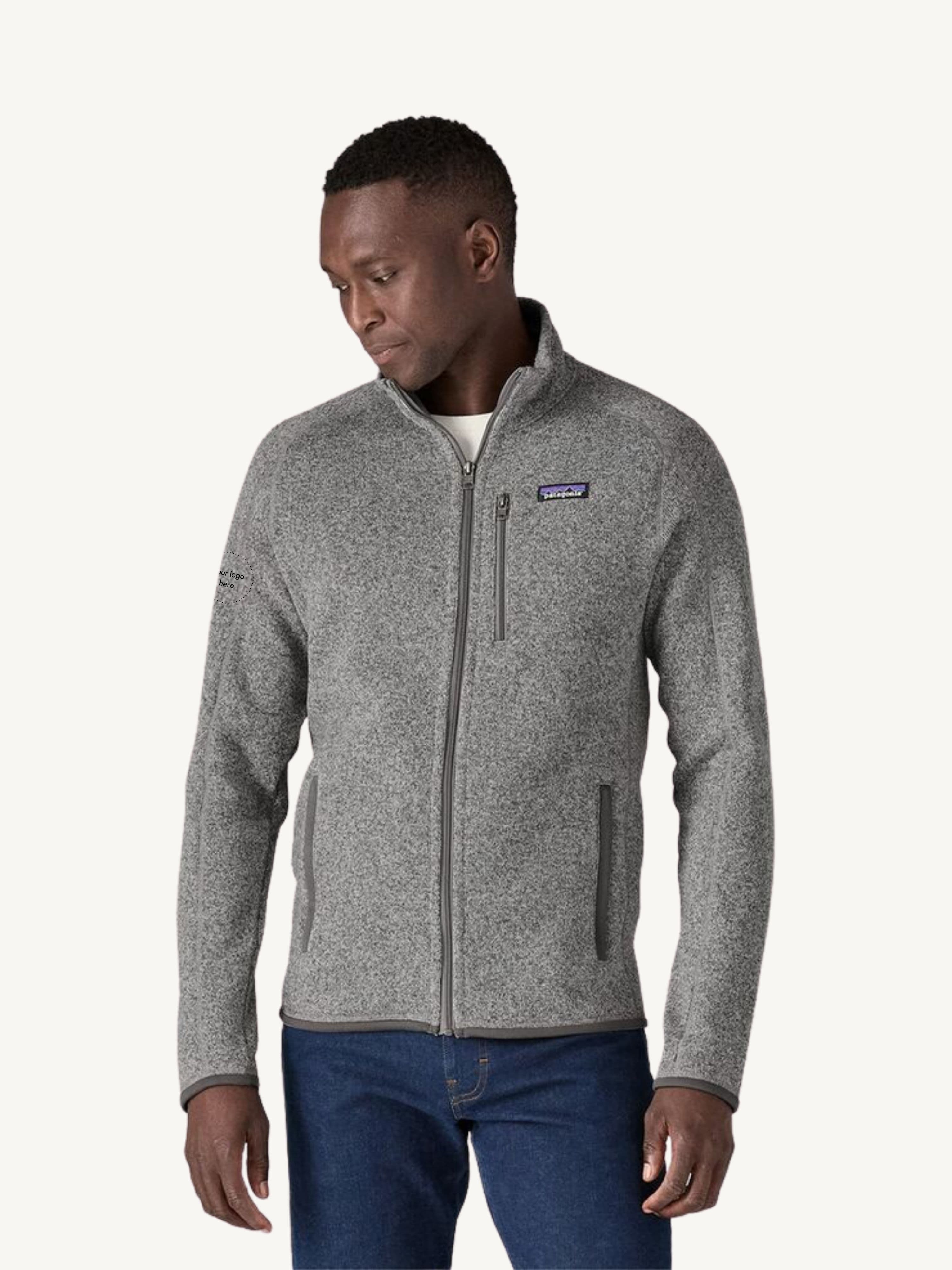
Quality of items matters more than quantity. One YETI Rambler or one Patagonia Better Sweater lands harder than five items from a budget vendor. Premium-brand items get used. Generic items go in the donation pile. The recognition lives as long as the item does, which is the whole point.
The eight moments that deserve a recognition gift
Not every recognition moment needs a physical gift, and not every gift moment is recognition. The eight categories below cover where structured programs typically focus the spend. The right mix depends on company size, culture, and what behaviors leadership wants to reinforce.
Work anniversaries. The longest-running recognition moment in any program. Celebrating 1-year, 3-year, 5-year, and 10-year milestones with a gift that scales to the tenure. Our dedicated guide to work anniversary gifts that don't feel like an afterthought goes deep on this category. Most companies underspend at 1-year and overspend at 10-year. The flatter curve usually performs better.
Performance recognition. The teammate who shipped the project, closed the deal, hit the OKR, or carried the team through a tough quarter. This is where speed matters most. Pre-built kits in the $100 to $200 range, ready to ship within 48 hours of the manager's request, are the operational standard.
Peer-to-peer recognition. The manager isn't always the right person to recognize the win. Peer-nominated recognition programs (Bonusly-style, but with real gifts instead of digital points) consistently produce the highest engagement lift in our customer data. The unit budget is lower ($25 to $75) because the volume is higher and the gesture matters more than the gift.
Promotions and role changes. A new title without a new gift feels like a shrug. A small kit ($75 to $150) sent the day the promotion is announced, with a card from the new manager, signals the company actually noticed. This is one of the highest-ROI recognition moments and one of the most consistently missed.
Spot bonuses and on-the-spot wins. The customer-service rep who turned around an angry account. The engineer who fixed the production incident at 2am. The PM who unblocked the team. Spot recognition needs the fastest turnaround of any category. Stored kits and one-click trigger systems are the operational requirement.
Onboarding and new hire kits. Recognition starts before day one. A welcome kit waiting at the new employee's home address says more about the culture than the offer letter. Our full new hire welcome kits guide covers this category in depth.
Retirement and major sendoffs. The premium tier moment. $200 to $500+ budgets, executive-grade items, and a personal note from leadership. The dedicated playbook is in our retirement gifts for coworkers guide.
Farewell and team transitions. When a teammate leaves on good terms, the goodbye gift is part of the alumni relationship. Boomerang hires are real, and they remember how the company treated them on the way out. See our farewell gift ideas guide for the full breakdown.

What goes inside a recognition gift
The right contents depend on the moment, the budget tier, and the recipient. Across hundreds of programs we've run, the categories that consistently land are predictable. Premium brand recognition is the through-line.
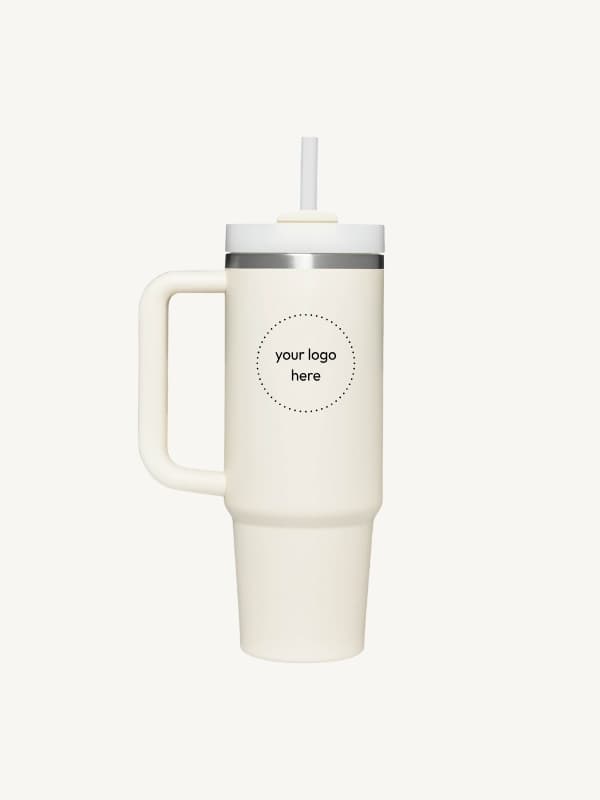
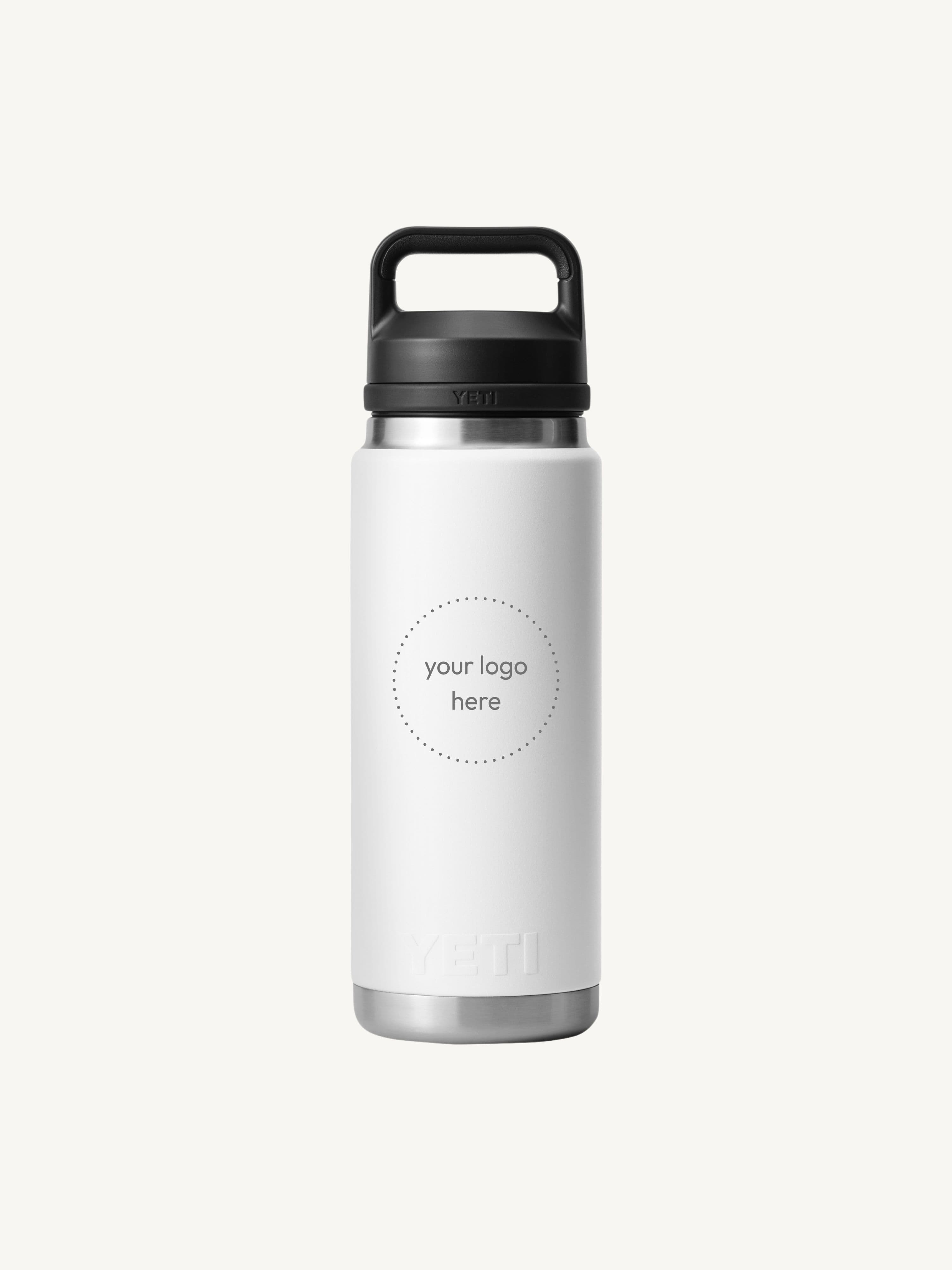
Premium-brand drinkware. A custom YETI Rambler, a Stanley Quencher, or a YETI 26oz Bottle. Drinkware is the highest-impression-per-dollar item in any kit. The right tumbler ends up on a desk for years and signals the recognition every morning.
Apparel from a recognized brand. A Vuori Ponto Pullover Hoodie, a Patagonia Better Sweater, or a Marine Layer crewneck. Apparel turns the gift into something the employee wears outside the office, which extends the brand impression and makes the recognition visible to the recipient's family and friends.
A handwritten card. The single highest-impact item in the box and the cheapest to add. A card from the manager naming the exact contribution being recognized changes the gift from generic to specific. Skip it and the gift loses most of its meaning.
One small personal touch. A favorite snack, a coffee subscription, a candle for a wellness moment. Recognition gifts that include something thoughtful (not just useful) signal the company actually pays attention to the recipient. Best for premium-tier moments.
Optional: a milestone marker. For service anniversaries, a small engraved item paired with the main gift gives the recipient something to keep that's specifically about their tenure. Avoid the generic plaque format. A small leather notebook with the date embossed lands better than a wall-mounted year-of-service marker.
Recognition gift budget tiers
Per-recipient budget guidance, based on what we see across hundreds of programs. The tiers stack: most programs run two or three of these in parallel for different moments.
$25 to $75 per gift (peer recognition tier). A premium drinkware piece, a card, and a small accessory. Best for high-volume peer-to-peer recognition or spot bonuses where the gesture matters more than the spend. The unit math works because volume justifies the lower per-gift cost.
$75 to $150 per gift (standard recognition tier). Premium-brand apparel piece, a quality drinkware item, and a card. The sweet spot for performance recognition, promotions, and 1- to 3-year anniversaries. Most of our recurring recognition programs operate in this tier.
$150 to $300 per gift (premium recognition tier). A flagship apparel piece (Patagonia Better Sweater, Vuori Ponto Pullover Hoodie), a YETI Bottle or comparable, plus a wellness or accessory addition. Best for 5-year anniversaries, executive-tier performance recognition, and client-facing recognition moments.
$300+ per gift (executive and milestone tier). Reserved for retirement, 10+ year anniversaries, top-performer awards, and high-stakes leadership recognition. Outerwear, leather goods, premium experiential gifts. Used sparingly because the unit math only works for the small percentage of recipients where it's the right signal.
Total program cost includes more than per-gift spend. Expect to add 15 to 25 percent on top of the gift budget for packaging, decoration setup, per-recipient shipping, and storage if you're holding pre-built kits. Programs that try to skip the operational layer almost always end up paying more in HR coordinator time than the operational cost would have been.

Common recognition gift mistakes
Patterns we see across programs that aren't working. Each one is fixable, but the cost of leaving them in place is recognition that lands flat or, worse, makes employees feel less valued than no gift at all.
Generic items branded with company logo only. A tumbler with the company logo and nothing else doesn't recognize the employee. It markets the company. Premium-brand items with discreet co-branding land as a gift. Heavy company branding lands as a giveaway.
Slow turnaround. Recognition that arrives weeks after the moment loses most of its meaning. The fix is operational: stored kits, pre-decorated inventory, one-click trigger systems. Without those, every recognition turns into a procurement project.
Same gift for everyone. A 1-year anniversary and a 10-year anniversary should not get the same kit. A new-hire welcome and a promotion to director should not look the same. Tier the program. Match the gift to the moment.
No personalization or note. The card matters more than the contents. If the gift arrives without a personal message naming the contribution being recognized, the employee assumes HR ran a script. Recognition that feels automated isn't recognition.
Treating the gift as the whole program. The gift is the artifact. The program is the system. Companies that lean entirely on the box without the public moment, the manager touchpoint, or the team-wide visibility get a fraction of the impact. Pair every gift with a moment.

How to build a recognition gift program that runs itself
The single biggest predictor of program success is whether it can run without an HR coordinator hand-shopping every recognition moment. A real program looks like infrastructure, not a series of one-off gifts. Four steps to set one up.
1. Define the recognition moments. Decide which behaviors and milestones get a gift, and at what tier. Work anniversaries, promotions, performance recognition, peer-to-peer, retirement. Write it down. Without the list, every recognition becomes a judgment call, and most managers will skip it rather than work around the ambiguity.
2. Pre-build the kits. Design two or three standard kits across budget tiers. Get them produced and decorated in bulk. Hold them in inventory. The premium of pre-built kits is small relative to the time saved on every individual recognition. Our storage and kit fulfillment service is built for exactly this pattern.
3. Make the trigger one click. A manager should be able to send recognition with a single form. Name, address, kit tier, optional card message. The kit ships within 48 hours. We collect addresses through Claim Pages so the recipient supplies their own info, which keeps HR out of the data-collection loop entirely.
4. Make the recognition visible. The gift is private. The recognition should be public (or at least team-visible). A Slack post, a team-meeting shoutout, a leadership note. Visibility multiplies the engagement effect for the recipient and signals to the rest of the team what behaviors get recognized.
The recognition programs that compound retention and engagement aren't built around the most expensive gifts. They're built around the right gift, sent at the right moment, with a personal message that names the contribution. Gallup's recognition research found that employees who receive recognition are far more likely to stay and recommend the company to others, and the effect is largest when recognition is specific, public, and timely. The operational layer (stored kits, fast turnaround, one-click triggers) is what makes consistent recognition possible at scale. The gift is just the proof. For teams ready to build a real recognition program, our complete guide to corporate swag boxes walks through the kit-building side, and the custom YETI launch covers the premium drinkware piece that anchors most of our customers' recognition kits.
Noah Jolly is the founder and CEO of Merchwell, where he helps HR and People Ops teams at 50 to 500 person companies build recognition programs and new hire welcome kits employees actually keep. He writes about employee experience, recognition, and the operational details of running a premium merch program.
Get a recognition gift program built for your team
Tell us how many people you're recognizing this year and what moments matter most, and we'll send back a tailored program design with kit recommendations and a sample kit to your office.
Get a quote for your team
Tell us what you have in mind and a rough quantity. We'll send pricing, a mockup with your logo, and lead times.


