
 Contact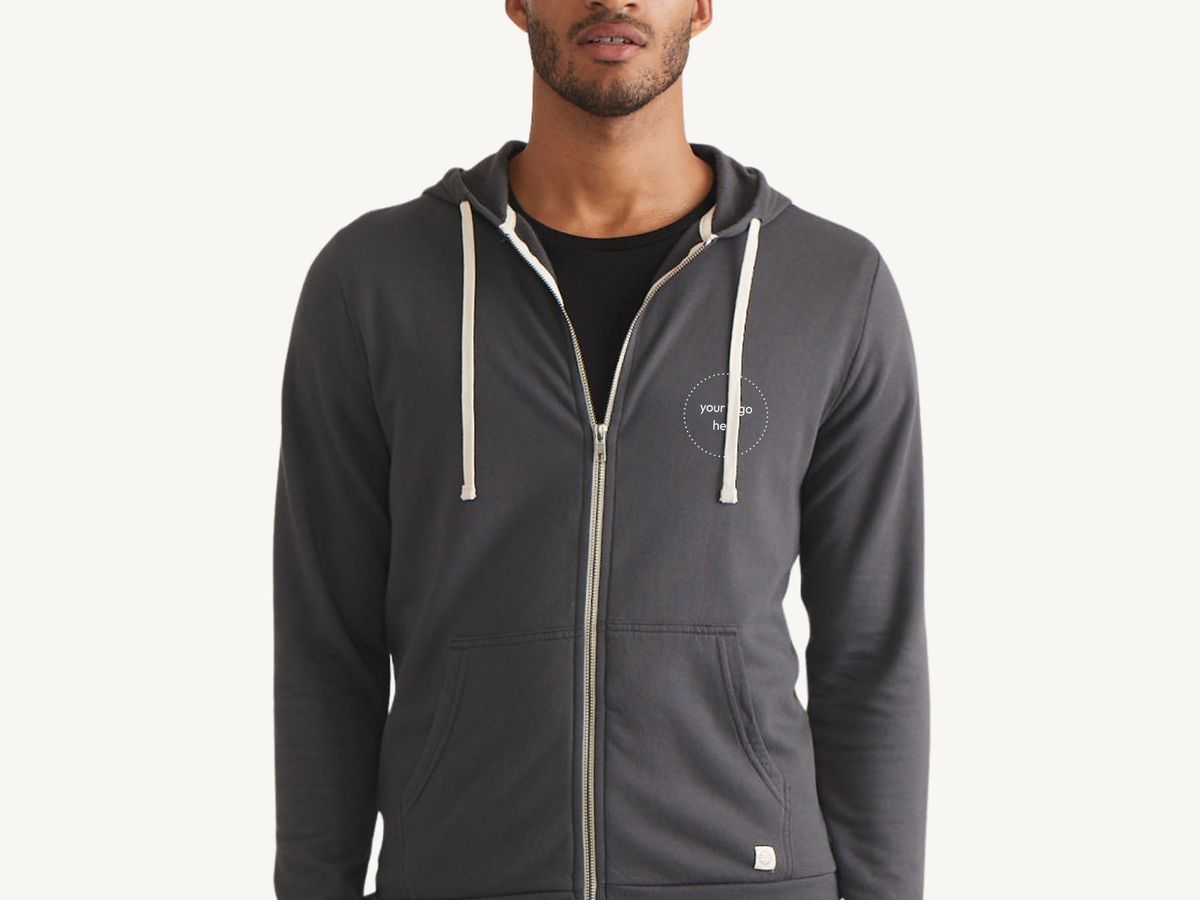
We’ve packed thousands of employee swag orders over the past few years, and there’s a pattern we can’t ignore: half the stuff companies order for their teams never gets worn outside the house.
The generic cotton tee with a giant logo across the chest. The poly-blend quarter-zip that fits like a trash bag. The branded socks that somehow manage to be both too thick and too scratchy. Sound familiar?
Employee swag should be merch your team actually wants. The kind of gear people grab on a Saturday morning because it’s comfortable, fits well, and looks good. Not because their company told them to wear it.
Here’s what separates swag that gets worn from swag that gets donated.
What makes employee swag worth keeping?
The difference between merch that lives in someone’s daily rotation and merch that lives in their Goodwill pile comes down to three things: fit, fabric, and restraint.
Fit matters more than brand. A no-name hoodie that fits well beats a premium brand that runs two sizes too large. We’ve learned this the hard way. When clients skip size sampling, return rates spike. Always offer a size run and let people choose.
Fabric is the first impression. Your team touches the merch before they see the logo. If it feels cheap, the logo doesn’t matter. Ring-spun cotton, brushed fleece, moisture-wicking blends. These are the details that make someone reach for the company hoodie instead of the one from their favorite brand.
Restraint with the branding. The biggest mistake companies make is printing their logo as large as possible. A small chest logo or a subtle sleeve print looks intentional. A billboard across the back looks like a uniform.
Which swag items do employees actually wear?
Based on our order data and reorder patterns, these are the categories that consistently perform.
Hoodies and crewneck sweatshirts are the top performers by a wide margin. A quality crewneck with a tone-on-tone embroidered logo gets worn constantly. We see reorder rates on hoodies that are three to four times higher than any other category.

Performance tees outperform standard cotton tees for active teams. If your team works out, commutes by bike, or just runs warm, a lightweight performance shirt with a small logo will get more use than a heavyweight cotton tee. Check our t-shirt catalog for the full range.

Headwear is sneaky effective. A well-made dad cap or beanie with a clean embroidered logo becomes a daily wear item. Hats don’t have sizing issues, they’re easy to ship, and they travel well.

Quarter-zips and layering pieces are the corporate sweet spot. Professional enough for the office, comfortable enough for the weekend. A solid quarter-zip with a left-chest logo is the single most versatile piece of employee merch you can order.

What should you skip?
Some swag categories have terrible wear rates no matter how much you spend.
Lanyards. Nobody wears a lanyard outside of a conference. Stress balls. They’re fun for a week, then they collect dust. Cheap sunglasses. They break in a bag and end up in a trash can. Phone grips and pop sockets. Functional, but they don’t represent your brand well when they’re stuck to a cracked phone case.
The rule of thumb: if you wouldn’t buy it for yourself, don’t order it for your team.
How do you handle sizing for a distributed team?
Sizing is the operational headache nobody warns you about. Order all mediums and half your team is swimming in fabric. Order based on guesses and you’re dealing with exchanges for weeks.
The approach that works: send a sizing survey two to three weeks before the order. Keep it simple. Name, size, and one preference (hoodie vs. crewneck, for example). We’ve helped teams set this up through their HRIS or even a basic Google Form.
For companies with 50+ employees, we recommend ordering 10% overage in the most common sizes (medium and large) to cover late additions and exchanges.
How does employee swag fit into a broader merch program?
Swag isn’t a one-time event. The companies that get the most value treat it as a recurring program.
New hire kits set the tone on day one. Pair a welcome kit with one to two swag items and new employees feel like they belong before their first standup.
Quarterly drops keep the merch fresh. Launch a new item each quarter. Limited runs create urgency and prevent swag fatigue. We’ve seen companies do seasonal colorways of the same item, which keeps production simple and builds a collector mentality.
Recognition moments make swag feel earned, not distributed. Work anniversaries, project launches, team milestones. When merch shows up at the right moment, it means something.
According to SHRM’s 2024 Employee Benefits Survey, organizations that invest in employee recognition programs report 31% lower voluntary turnover. Merch is one of the most tangible forms of recognition you can offer.
What’s the right budget for employee swag?
Budget depends on the purpose and the audience. For general employee swag that people will actually keep, plan for $25 to $50 per person per item. Below $25, you’re in promo-product territory and the quality shows. Above $50 per item, you’re in premium gift territory, which is a different conversation (see our guide to employee appreciation gifts).
The trick isn’t spending more per item. It’s spending smarter. One great hoodie beats three mediocre items every time.
What to do next
Pick one item your team would actually wear on a weekend. Build it in the Pack Builder and see what it looks like with your branding. Start with a sample before you commit to a full run.
Noah Jolly is the founder and CEO of Merchwell, where he helps HR and People Ops teams at 50-500 person companies build new hire kits and merch programs employees actually keep. He writes about onboarding, employee experience, and the operational details of running a premium merch program.
Ready to build swag your team actually wears?
Use Merchwell's Pack Builder to design a hoodie, crewneck, or quarter-zip with your branding, send a quick sizing survey, and ship directly to every employee—without managing boxes in your office.
Get a quote for your team
Tell us what you have in mind and a rough quantity. We'll send pricing, a mockup with your logo, and lead times.


