
 Contact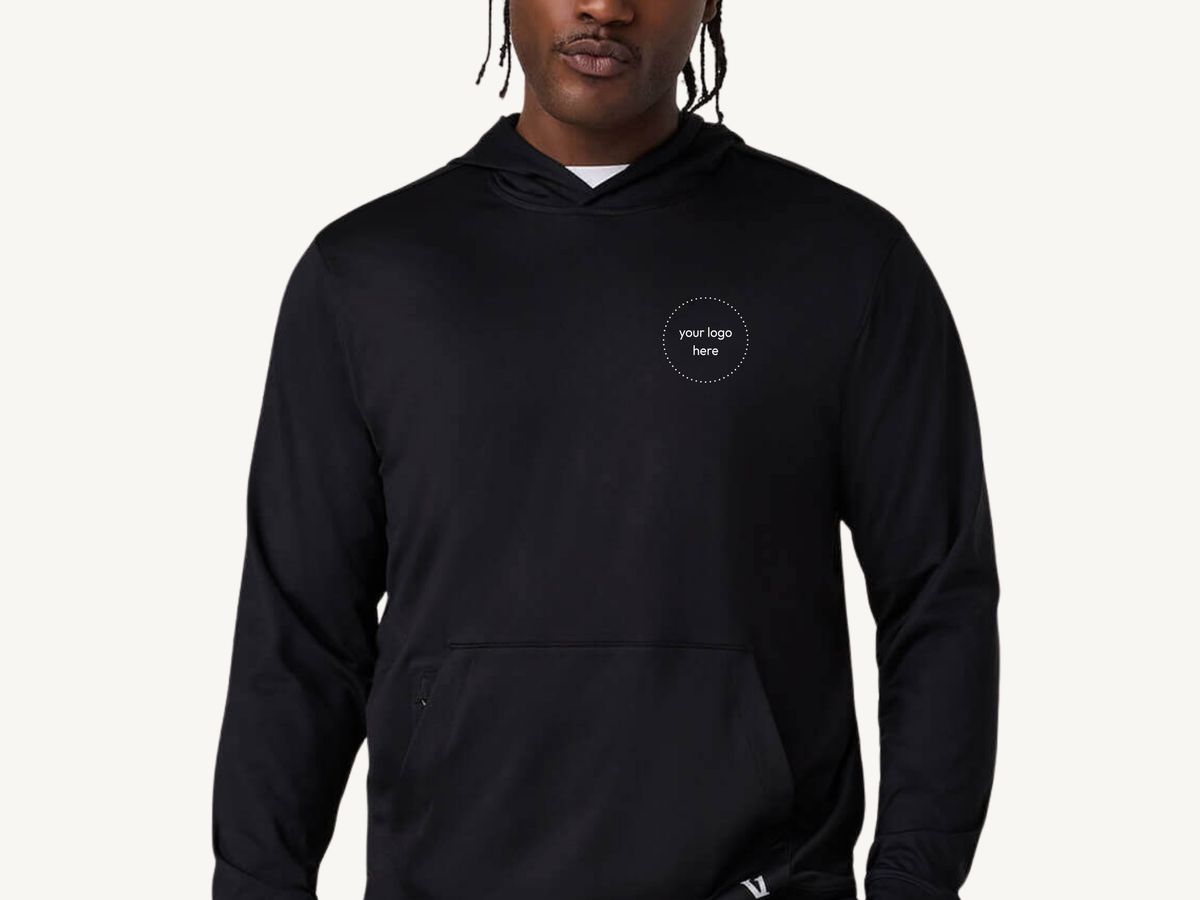
Building onboarding kits? Start in Pack Builder
Pick the apparel, drinkware, and extras, and we'll pack them by person and hold them to ship on each new hire's first day.
A good employee onboarding kit does one job: it makes someone feel expected instead of processed. New hires form an opinion of a company fast, often in the first week, and a box with their name on it beats a login link and a parking code. Done well, an employee onboarding kit is apparel they actually wear, drinkware they keep on the desk, and a few practical extras that say someone thought about day one before they showed up.
The trap is treating the kit as a swag drop. A pile of logo pens doesn't land. This guide covers what to put in an onboarding kit, what to leave out, how remote and in-office kits differ, and how to build and ship them without turning it into a monthly errand.
What goes in an employee onboarding kit
Start with a few things people keep, not a lot of things they toss. A tight kit of good pieces beats a fat box of filler.
Apparel they'll actually wear. One well-made piece sets the tone. A soft hoodie or a Vuori layer gets worn on weekends, which is free brand mileage and a nicer welcome than a scratchy tee.
Drinkware for the desk. A YETI or Stanley tumbler earns a permanent spot on the desk and shows up on every video call.
One or two useful extras. A notebook, a sticker set, a good pen, the small stuff people reach for, kept to a few nice items instead of a drawer of giveaways.
A real welcome. A short handwritten note from the manager or team does more than anything with a logo on it.
For full format ideas, our new hire welcome kits guide, onboarding kit walkthrough, and welcome box breakdown show what teams are sending now.
What to leave out
Half of a good kit is knowing what not to include.
Filler nobody keeps. Cheap pens, stress balls, and flimsy totes read as budget, not welcome.
One-size-fits-none apparel. If you can't get sizes, skip the shirt rather than guess. A hoodie that doesn't fit ends up in the closet.
Anything that needs a manual. Day one is busy. Save the gadget that takes setup for a later gift.

Remote and in-office kits are different
Where your new hires sit changes how the kit gets built and delivered.
In-office: set it on the desk. Have the kit waiting at their seat on the first morning. It's the easiest version and the one people photograph.
Remote: ship it to their door, ahead of day one. Aim for arrival a day or two before they start, so they open it before the first call, not two weeks in.
Collect sizes and addresses without the chase. For remote hires, a claim page lets each person enter their own size and shipping details, so you're not running a spreadsheet.
How many to order, and where to keep them
You don't want to reorder a kit every time someone starts. Batch it.
Order in batches against your hiring plan. Print a quarter or two of kits at once so the per-piece cost drops and you're never scrambling for a Monday start.
Pre-pack and hold so day one is automatic. We assemble the kits, box them by person, and store them, then ship on your signal when a start date lands.
Price the kit against your headcount. Our Pack Builder totals a full kit across apparel and drinkware for the number of hires you're planning.

How to build one without the busywork
Here's the whole thing, start to finish, as one setup you reuse for every hire.
1. Pick the lineup. Choose the apparel, drinkware, and extras in Pack Builder, or start from a ready-to-ship pack and tweak from there.
2. Lock the branding once. Send your logo, approve one proof, and every kit matches it from then on.
3. Collect sizes as people join. New hires fill in their own details through a claim page, so the kit fits without a back-and-forth.
4. We pack, hold, and ship on the start date. The kit goes out timed to day one, so you're not assembling boxes the night before.
What an employee onboarding kit costs
It comes down to the pieces and how premium you go. Two rough anchors help.
A solid basics kit. A mid-weight hoodie or tee, a standard tumbler, and a couple of extras keeps the per-hire number reasonable while still feeling considered.
A premium kit. Branded Vuori apparel and YETI drinkware cost more per hire, but they get kept and worn for years, which is usually worth it for a role you want to retain.
The math tends to favor doing it well. Brandon Hall Group found a strong onboarding process can lift new-hire retention by around 80 percent, and SHRM ties structured onboarding to faster time to productivity. Gallup reports that only a small share of employees feel their company onboards well, so a kit that lands is a cheap way to make a strong first impression.
An onboarding kit isn't about the swag. It's about making the first day feel handled, so a new hire starts engaged instead of lost. Get the pieces right, ship it on time, and keep the branding consistent. If you want a starting point, our corporate swag boxes guide breaks down kit formats, and pairing the kit with a first-week recognition moment makes it land harder. When you're ready to build, tell us your hiring plan and we'll set up a kit you can reuse for every start.
Noah Jolly is the founder and CEO of Merchwell, where he helps HR, People Ops, and brand teams at 50 to 500 person companies build onboarding and merch programs employees actually keep. He writes about onboarding, employee experience, and the operational side of running a premium merch program, including our new hire welcome kits guide.
Set up an onboarding kit you can reuse
Tell us your hiring plan and what you want in the box, and we'll build a kit, pack it by person, and hold it to ship on each new hire's first day. We handle sizes, decoration, and delivery.
Get a quote for your team
Tell us what you have in mind and a rough quantity. We'll send pricing, a mockup with your logo, and lead times.


