
 Contact
Build a corporate gift program people actually keep
Browse pre-built gift packs from premium brands like YETI, Patagonia, and Vuori, or design your own in the Pack Builder.
Most corporate gifts get a polite thank-you and a quiet trip to the donation pile. The ones that survive share three traits: people actually want them, they carry the company logo without shouting it, and they arrive fast enough to feel personal. That is the entire brief for unique corporate gifts that don't end up in a drawer, and it is a higher bar than the average catalog clears.
Budget is rarely the problem. Most teams land good results in the $25 to $150 per-person range, and the difference between a kept gift and a tossed one comes down to taste, not spend. The Advertising Specialty Institute has found that branded apparel gets kept for around 14 months on average and that roughly 85% of people remember the brand on a promotional item they own. The gift only does that work if it survives the first week.
Unique does not mean novelty. A logo fidget toy is novel and forgettable. What reads as unique to a recipient is better material, restraint in the branding, and a product they would have considered buying themselves. We would rather send one Vuori Ponto Pullover Hoodie than five printed stress balls, and the math on attention backs that up.
Here is how we think about it at Merchwell: the categories that consistently get used, real price ranges for each, the brands worth paying for, and the fastest way to get gifts into hands without a shipping spreadsheet. Recognition drives retention, and Gallup's workplace research has tied regular, meaningful recognition to lower turnover, so the gift is not just a nicety. It is a retention lever.
One more framing before the categories. A gift is a moment of attention, and attention compounds. The recipient who loves their gift tells a colleague, wears it in a meeting, or posts the unboxing. That second-order reach is why the per-person math on a great gift looks better than the sticker price suggests, and it is why we push clients toward fewer, better items rather than more, cheaper ones.
What makes a corporate gift actually unique
Three things sink most corporate gifts. The logo is too big, so nobody wears it off the clock. The blank is cheap, so it pills, cracks, or leaks within a month. And the item is generic, so it competes with the identical thing the recipient got from two other vendors. Fix those three and a gift stops feeling like marketing.
Restraint beats real estate. A small tone-on-tone embroidery or a debossed mark on a quality blank signals confidence. A chest-spanning logo signals a giveaway. Our guide to printing and decoration methods walks through which techniques keep branding subtle, and tone-on-tone is the one we reach for most when the goal is something people keep wearing.
Material is the message. People can feel the difference between a 4-ounce promo tee and a heavyweight one, between a hollow-wall tumbler and double-wall vacuum steel. Spending the extra few dollars on the blank is the single highest-return decision in corporate gifting, because it is the thing the recipient touches every day.
Speed makes it personal. A recognition gift that lands two weeks after the moment reads as an afterthought. One that arrives in 48 hours reads as intent. We hold stock for clients so the moment and the gift line up, which matters far more than most teams expect. The fastest way to ruin a thoughtful gift is to make the recipient wait until they have forgotten what it was for.
There is a fourth factor worth naming: usefulness in context. A beach towel is a great gift for a summer offsite and a strange one for a December client send. Matching the item to where and when the recipient will use it is the quiet skill behind every program that gets repeat reactions, and it is the reason we ask about timing and audience before we ever recommend a product.
Unique corporate gift ideas by category
The best programs mix one anchor item people want with a couple of smaller pieces that round out a kit. Below are the categories that earn their keep, with real products and price ranges we send most often.
Premium drinkware they refill every day
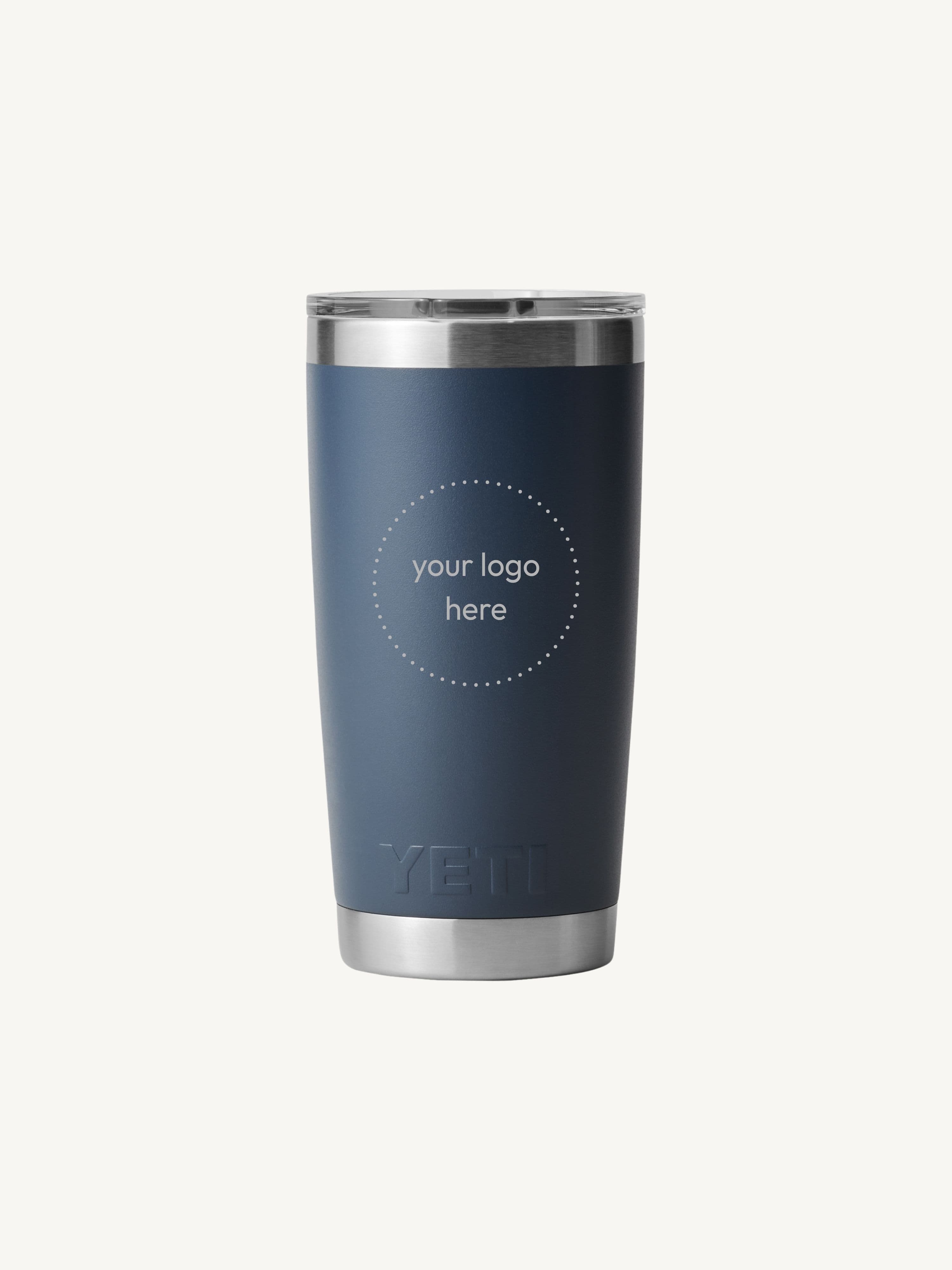
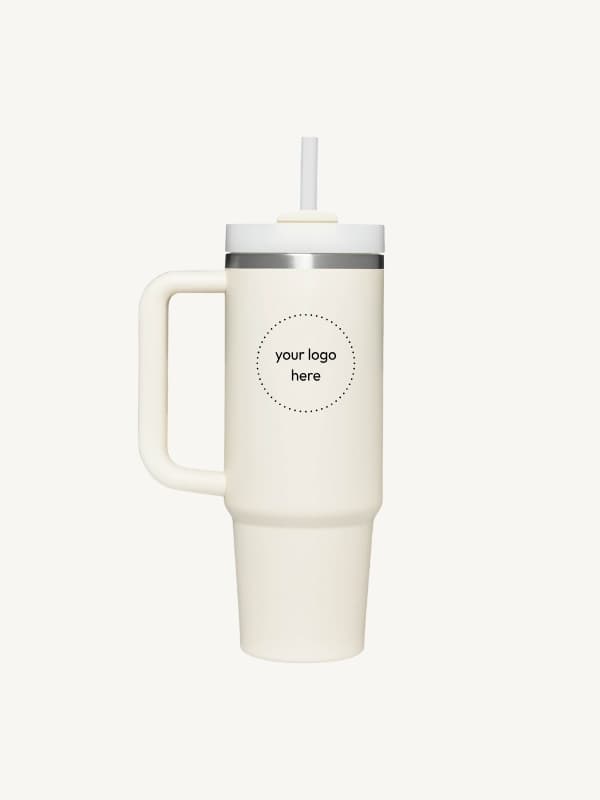
Drinkware is the safest unique gift because it gets used daily and the branding can be tasteful. A custom YETI Rambler laser-engraves cleanly and outlives three generations of printed cups. The Stanley Quencher 30oz carries its own cultural pull, so a branded one rarely sits unused. We cover the material science behind good drinkware in our Tritan and stainless drinkware guide.
Apparel they would wear off the clock

Clothing is where restraint pays off most. The Vuori Ponto Pullover Hoodie and the Patagonia Better Sweater both read as gifts people would buy themselves, which is the bar. We launched custom Vuori and custom YETI programs precisely because clients kept asking for apparel that survives the weekend wardrobe, not the gym-bag graveyard. The detail that matters here is fit and color: offer real size ranges and stick to neutral tones, because a gift in the wrong size or a loud color quietly becomes a donation.
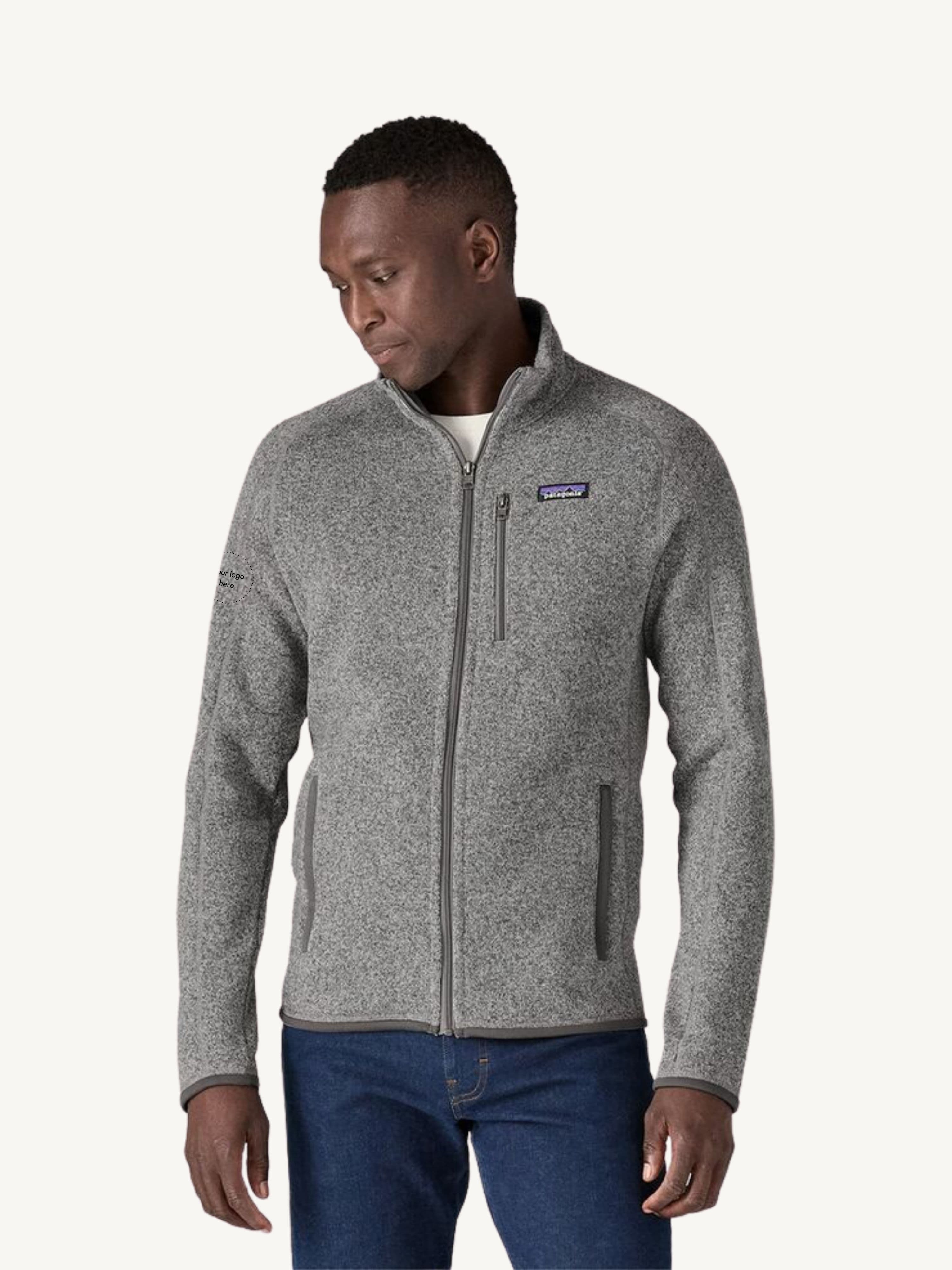
Patagonia Men's Better Sweater Jacket
Desk objects and everyday carry
Small, well-made objects punch above their price. A stone-paper Karst notebook, a weighted Baronfig Squire pen, or an Osprey Daylite pack all land in the $20 to $80 range and feel considered. These are the pieces that fill out a kit without inflating the budget, and they photograph well, which helps when recipients share the unboxing. The trick with desk items is to pick things people would actually choose for themselves, then brand them quietly. A pen someone reaches for every day does more for a brand over a year than a flashier item that lives in a drawer.
Unexpected picks that start conversations

Once in a while the right move is something nobody expects. A Recess pickleball paddle, a Fujifilm Instax bundle, or a small-batch candle breaks the pattern of safe, predictable gifting. Use these sparingly and for audiences you know. When they land, they generate the kind of word-of-mouth a sixth branded tote never will. The risk is real, so we treat these as the accent in a kit rather than the anchor, and we keep the quantities low until a pick proves itself.
Match the gift to the occasion
The same item can feel generous or generic depending on why it's being sent. A premium tumbler is a strong new-hire welcome and a weak ten-year-tenure gift, so the occasion should drive the spend and the format, not the other way around.
Onboarding and welcome. A useful, brand-forward kit that helps someone feel like part of the team on day one. Our new hire welcome kit guide covers what belongs inside and what to skip.
Client and partner gifts. Lean premium and keep the logo quiet, since the goal is goodwill, not advertising. Our corporate gifts for clients guide goes deep on this audience.
Recognition and milestones. Tie the spend to the size of the moment and add packaging or a note for the big ones. For tenure specifically, see our work anniversary gifts piece. When sustainability is part of the brief, our eco-friendly corporate gifts guide lists picks that hold up.
Why a small kit beats a single gift

A single gift is a transaction. A small kit is an experience, and the unboxing is where unique corporate gifts earn their reputation. The format that works: one anchor item people want, one or two supporting pieces, and packaging that feels deliberate. Our corporate swag box guide breaks down the kit-building logic in depth, and it is the piece we point most new clients to first. The supporting items also let you hit a price point without cheapening the anchor, since a notebook and a pen read as generosity next to a flagship hoodie rather than as filler.
You can start from a pre-built gift pack or design your own in the Pack Builder. For per-recipient sends, Claim Pages collect each person's size and address directly, so there is no spreadsheet to chase. And our storage and kit fulfillment service holds inventory so kits ship the day a moment happens, not three weeks later.
Packaging is the part teams underrate. A great product in a flimsy poly mailer loses half its impact before the recipient sees what is inside. A custom box, a little fill, and a card turn three good items into something that feels like a gift rather than a shipment. It does not have to be expensive. It has to feel intentional, and the jump from bag to branded box is usually a few dollars per kit.
What unique corporate gifts cost
Pricing tracks the anchor item more than the kit size. Here is how the tiers break down in practice.
Thoughtful tier (from $25 to $50 per person). A quality drinkware piece or a mid-weight apparel item with tasteful branding. This is the sweet spot for broad sends like all-hands gifts or new-hire kits.
Premium tier (from $75 to $150 per person). A name-brand anchor like Vuori or Patagonia plus a supporting piece and real packaging. The right call for client gifts and recognition moments that need to land.
Executive tier (from $150 to $300 and up). A multi-piece kit built around a flagship item, custom packaging, and occasionally a handwritten note. Reserved for top clients, board members, and milestone recognition.
Volume moves the per-piece price down quickly. Decoration setup is a fixed cost, so the more units in a run, the cheaper each one gets. For large sends, our bulk merch pricing applies, and the gap between 25 and 250 units is bigger than most teams budget for. One planning note: order a small buffer beyond your headcount. Sizes get misjudged, new hires arrive, and a few extra kits in storage cost far less than a rush reorder later.
How to send unique corporate gifts without the spreadsheet chaos
The product is half the job. The other half is getting it into the right hands without a week of logistics. Here is the workflow we run for clients.
Pick the mix first. Choose one anchor item and one or two supporting pieces, then set the branding approach. Start in the Pack Builder or a ready-to-ship pack if you want a proven combination.
Collect sizes and addresses the easy way. Send recipients a Claim Page link instead of building a spreadsheet. Each person enters their own size and shipping details, which removes the most error-prone step in the whole process.
Brand with restraint. Approve a digital proof before production and keep the logo small. Our decoration guide covers which method fits which material, and getting this right is what separates a kept gift from a tossed one.
Store and ship on demand. Hold the inventory with our fulfillment service so a recognition gift ships the day it is earned. The moment and the gift arriving together is the whole point.
The research is consistent on why this matters. Recognition that feels timely and specific is one of the strongest non-cash drivers of retention, a point SHRM has made repeatedly in its workplace culture reporting, and the World at Work recognition surveys show that programs with a tangible component outperform certificate-only ones. A unique gift is the tangible part of that equation. The companies that get the most out of gifting treat it as a repeatable program rather than a one-off scramble, with a house mix of items, a standing decoration spec, and stock on the shelf for the moments they know are coming. For occasion-specific ideas, our client gift ideas and employee recognition gifts guides go deeper on what to send and when.
Noah Jolly runs Merchwell, where we help HR and marketing teams build corporate gift and company swag programs people actually keep.
Get pricing for your unique corporate gift order
Tell us how many people you're gifting and how you plan to use them, and we'll send back a tailored quote with a product mix and timeline.
Get a quote for your team
Tell us what you have in mind and a rough quantity. We'll send pricing, a mockup with your logo, and lead times.


